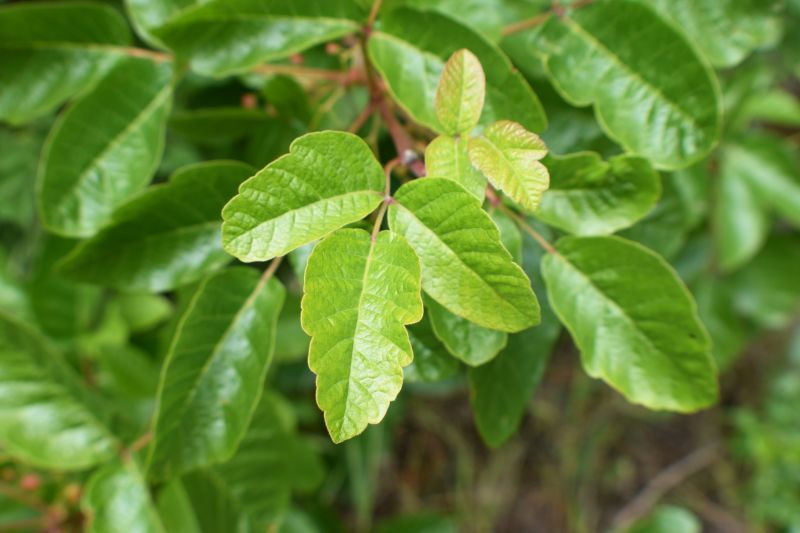
Poison Oak Removal in Harford County, MD
Poison oak removal services focus on safely eliminating this hazardous plant from residential properties. These services typically cover projects such as clearing poison oak from yards, gardens, or wooded areas, especially in locations where the plant poses a risk to children, pets, or outdoor enthusiasts. Property owners often seek removal when poison oak has become invasive, spread across large sections of land, or is growing near play areas, patios, or pathways, to reduce the risk of skin irritation and allergic reactions.
Before requesting poison oak removal, property owners should consider the extent of the infestation and the accessibility of affected areas. It is helpful to understand whether the plants are growing on the ground, climbing trees, or spreading across shrubs, as this can influence the scope of work needed. Additionally, knowing the location of the poison oak in relation to other landscape features can assist in planning effective removal strategies and ensuring safety during the process.
Many property owners in Harford County, MD look into Poison Oak Removal for repairs, replacements, upgrades, and appearance-related improvements.
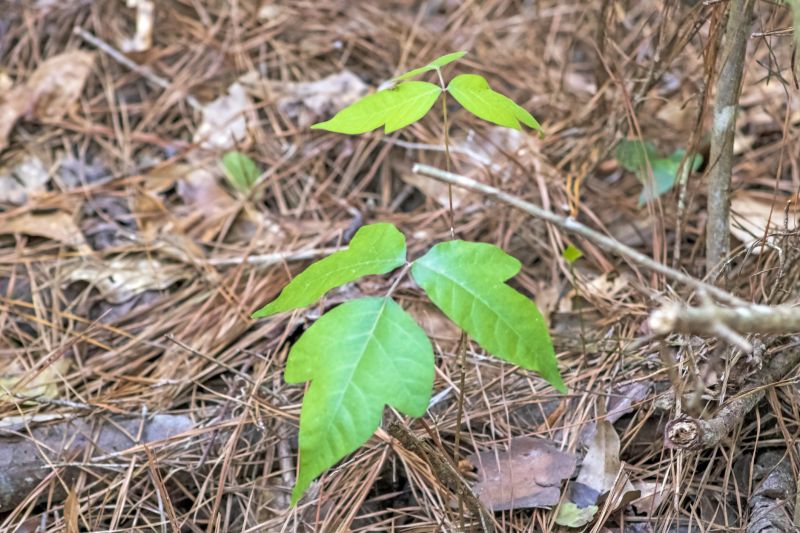
Poison Oak Identification
Recognizing poison oak can help prevent skin irritation and exposure on properties in harford county.
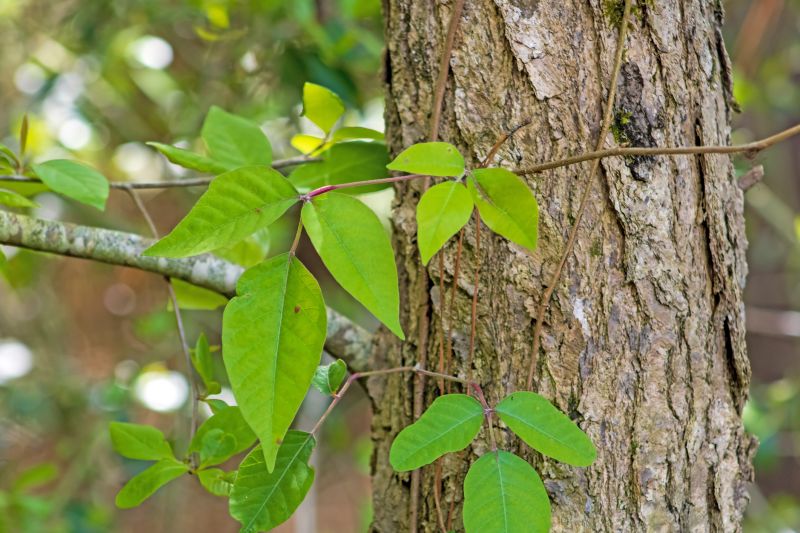
Hazard Prevention
Removing poison oak reduces the risk of allergic reactions for residents and visitors alike.
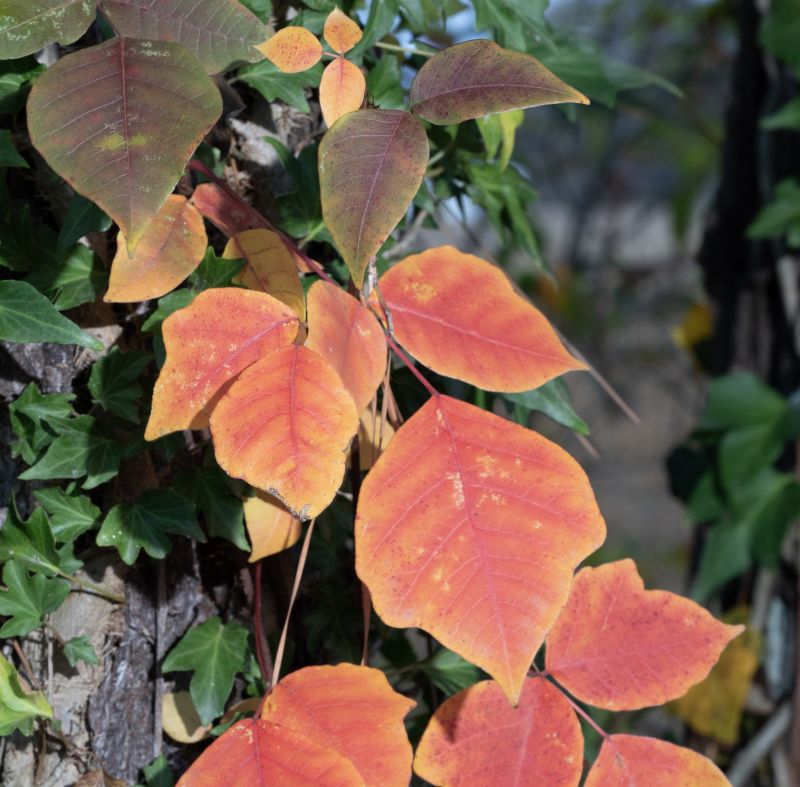
Property Safety Improvements
Effective poison oak removal enhances outdoor space safety for families and outdoor enthusiasts.
Poison Oak Removal in Harford County, MD
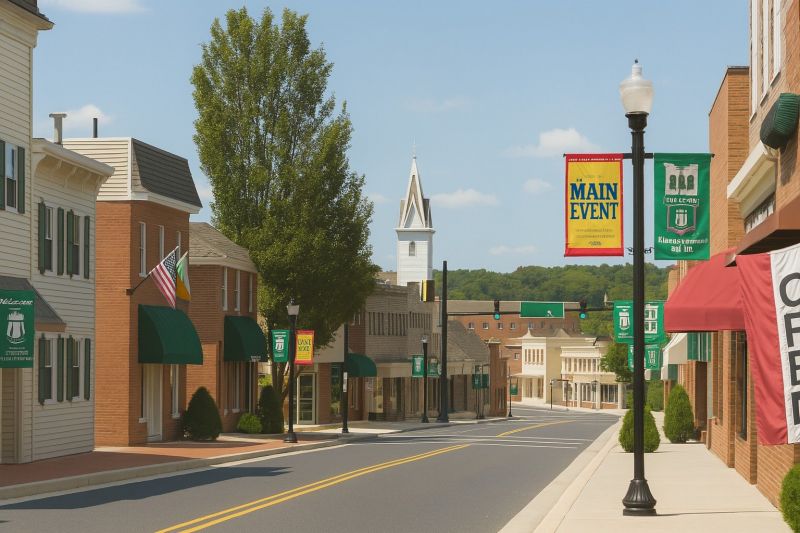
Poison oak removal services focus on safely eliminating this hazardous plant from residential properties. These services typically cover projects such as clearing poison oak from yards, gardens, or wooded areas, especially in locations where the plant poses a risk to children, pets, or outdoor enthusiasts. Property owners often seek removal when poison oak has become invasive, spread across large sections of land, or is growing near play areas, patios, or pathways, to reduce the risk of skin irritation and allergic reactions.
Before requesting poison oak removal, property owners should consider the extent of the infestation and the accessibility of affected areas. It is helpful to understand whether the plants are growing on the ground, climbing trees, or spreading across shrubs, as this can influence the scope of work needed. Additionally, knowing the location of the poison oak in relation to other landscape features can assist in planning effective removal strategies and ensuring safety during the process.
Many property owners in Harford County, MD look into Poison Oak Removal for repairs, replacements, upgrades, and appearance-related improvements.
Common Poison Oak Removal Jobs
Poison Oak Removal - clearing affected areas to prevent skin irritation and allergic reactions.
Landscape Clearing - removing poison oak from yards, gardens, and outdoor spaces.
Vegetation Management - safely eliminating poison oak to protect children and pets.
Property Maintenance - maintaining a safe outdoor environment by controlling invasive plants.
Site Cleanup - disposing of poison oak debris to prevent regrowth and exposure.
Hazard Prevention - reducing the risk of contact with toxic plants on residential properties.
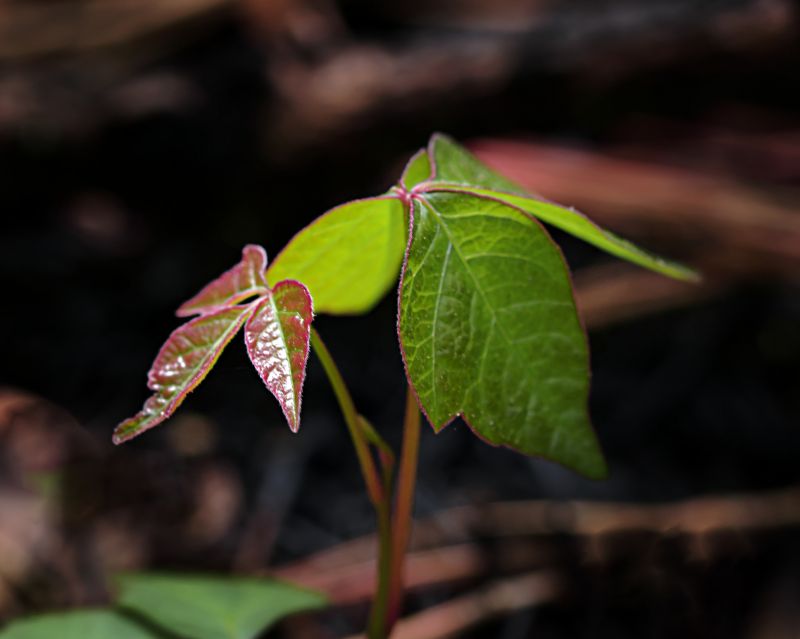
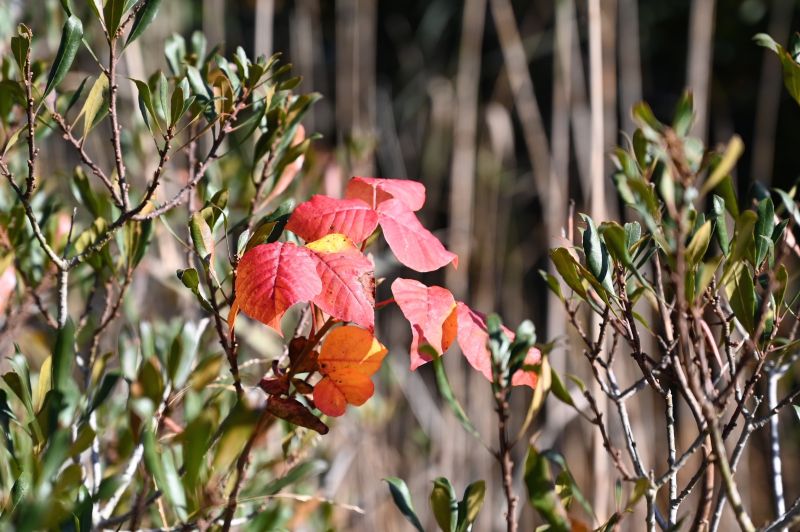
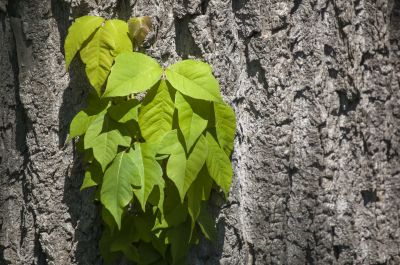
Poison Oak Removal Questions
What is poison oak removal? Poison oak removal involves safely eliminating the plant to prevent skin irritation and protect the property from overgrowth.
When should poison oak be removed? Removal is recommended when poison oak is present in high-traffic areas, near pathways, or when it begins to spread extensively.
How is poison oak removed? The process typically includes careful cutting, herbicide application, and disposal to ensure complete eradication.
Is professional poison oak removal necessary? Professional removal helps ensure safety and effective elimination, especially in difficult-to-access areas or dense growth.
Request Poison Oak Removal in Harford County, MD
Use the quote form on this page to share the basics of your project and request more information for the type of work you need.